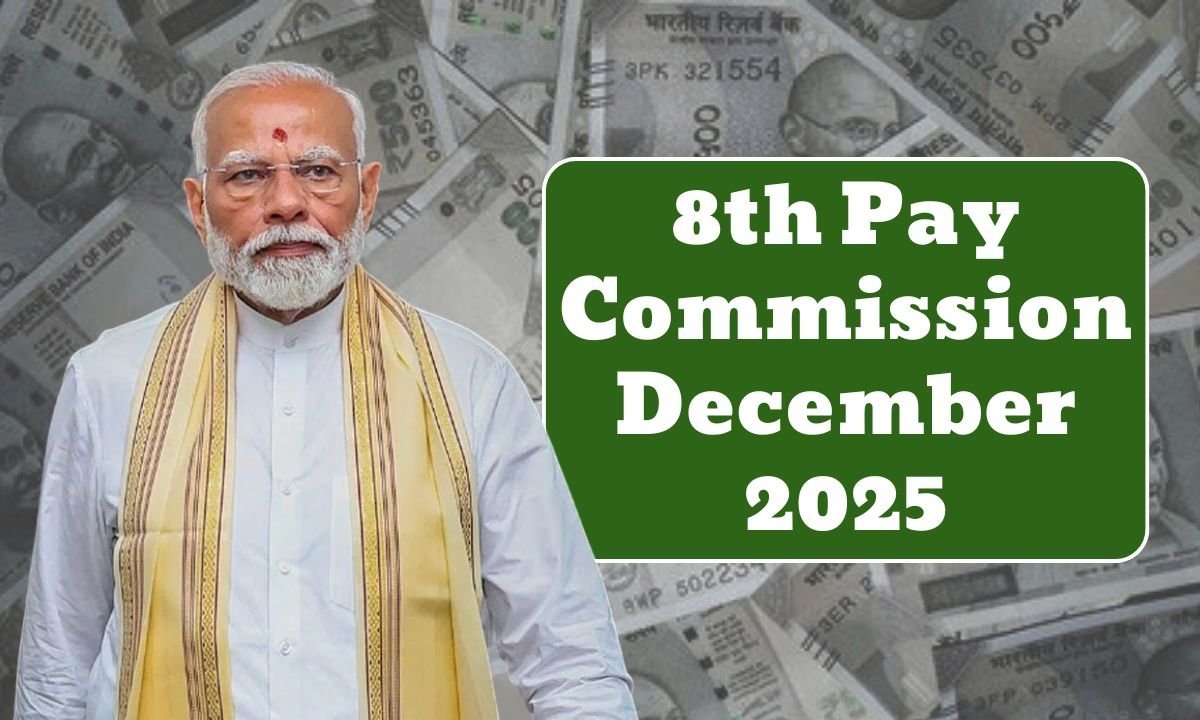
The proposed implementation of the 8th Pay Commission has gained significant momentum this December, as millions of central government employees and pensioners await crucial developments. While the Terms of Reference (ToR) have received approval from the Union Cabinet, ongoing deliberations continue regarding salary increases, Dearness Allowance (DA) merger, and pension revisions.
Establishment of the 8th Pay Commission
In accordance with the traditional 10-year implementation cycle that commenced following the 7th CPC implementation in 2016, the government formally established the 8th Pay Commission in January 2025. The commission is anticipated to present its final recommendations within 18 months, positioning the implementation timeline for January 1, 2026.
Primary Employee Concerns
Labor unions have expressed significant criticism regarding the ToR, particularly highlighting the absence of a concrete implementation timeline that could result in inadequate inflation adjustments. With consistently rising retail inflation diminishing the effectiveness of regular DA increases, numerous organizations are advocating for the integration of DA with basic salary components.
Pension Beneficiary Expectations
Retirees remain anxiously awaiting confirmation regarding potential pension increases before January 2026. Recently in December, Finance Minister Nirmala Sitharaman addressed parliamentary inquiries concerning immediate relief measures for pensioners.
8th Pay Commission December 2025 Status Overview
The current status reveals several key developments:
Terms of Reference: Approved by Union Cabinet with recommendations expected within 18 months
Implementation Timeline: Not yet announced, likely effective from January 1, 2026
Salary Enhancement: Currently under comprehensive review with fitment factor revisions anticipated
DA Integration: Strong advocacy from employee organizations with possible merger considerations
Pension Modifications: Awaiting clarification, likely included in final recommendations
Expected Effects on Government Personnel
The potential DA merger with basic pay could result in substantial improvements to salary and pension benefits. This enhancement would not only boost monthly earnings but also significantly improve retirement benefits. However, employees and pensioners continue facing uncertainty regarding the scope of proposed salary increases until final recommendations are submitted.
Official Government Stance
The administration maintains that the appointed commission will strive to balance fiscal accountability with employee welfare considerations. The combination of inflationary pressures and employee demands creates a challenging environment for leadership to provide meaningful relief measures.
Final Assessment
The 8th Pay Commission December 2025 developments demonstrate progress while highlighting remaining unresolved matters. With ToR approval completed and discussions continuing, government employees and pensioners must await 2026 for final implementation outcomes.
Frequently Asked Questions
When will the 8th Pay Commission recommendations be implemented?
The 8th Pay Commission is expected to submit its recommendations within 18 months, with implementation likely from January 1, 2026.
What is the main concern of employee unions regarding the ToR?
Employee unions are critical of the ToR due to the absence of a specific implementation date, which they argue could lead to inadequate inflation adjustments.
Will the Dearness Allowance be merged with basic pay?
There is strong demand from employees for DA merger with basic pay, and it is being considered as part of the commission’s review process.
What relief can pensioners expect from the 8th Pay Commission?
Pensioners are awaiting clarification on pension increases before January 2026, with pension revision likely to be included in the final recommendations.
